Welcome: Guangzhou Leijie Packaging Machinery Co., Ltd.
Language:
 ∷
∷

∷
 ∷
∷
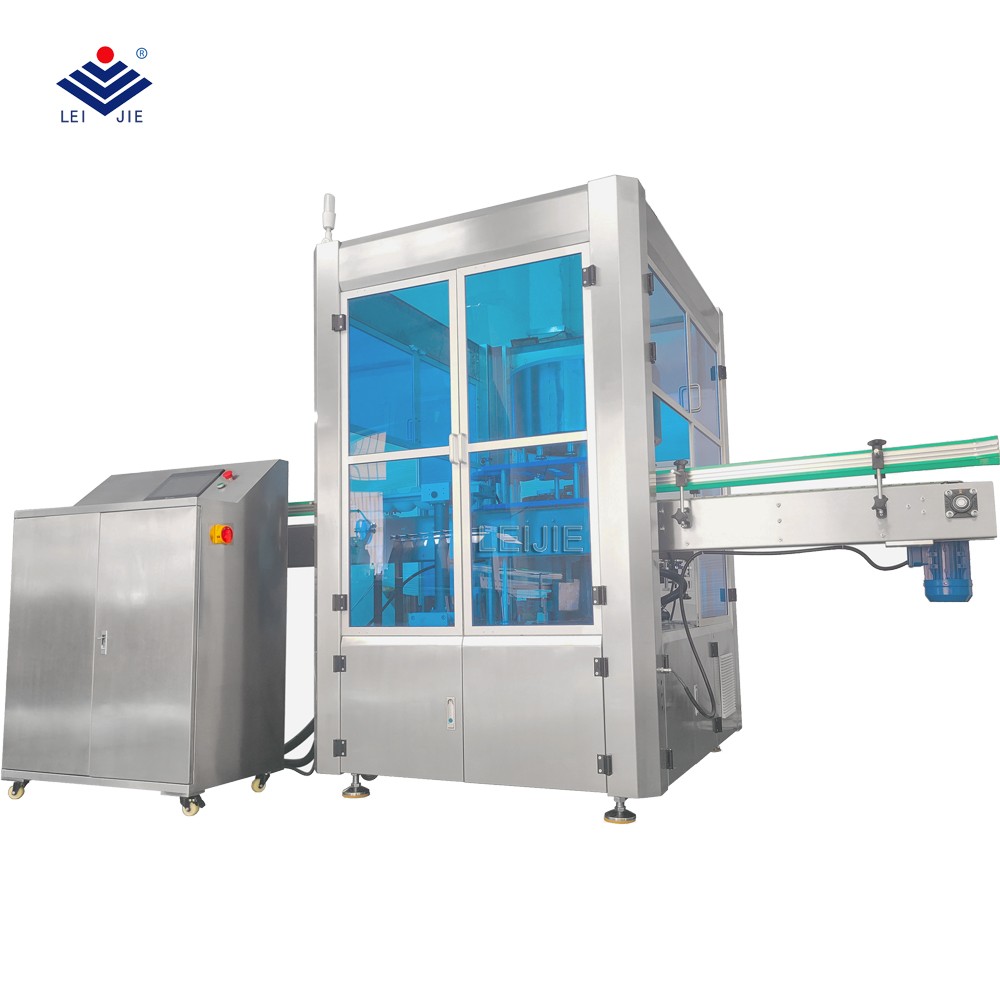

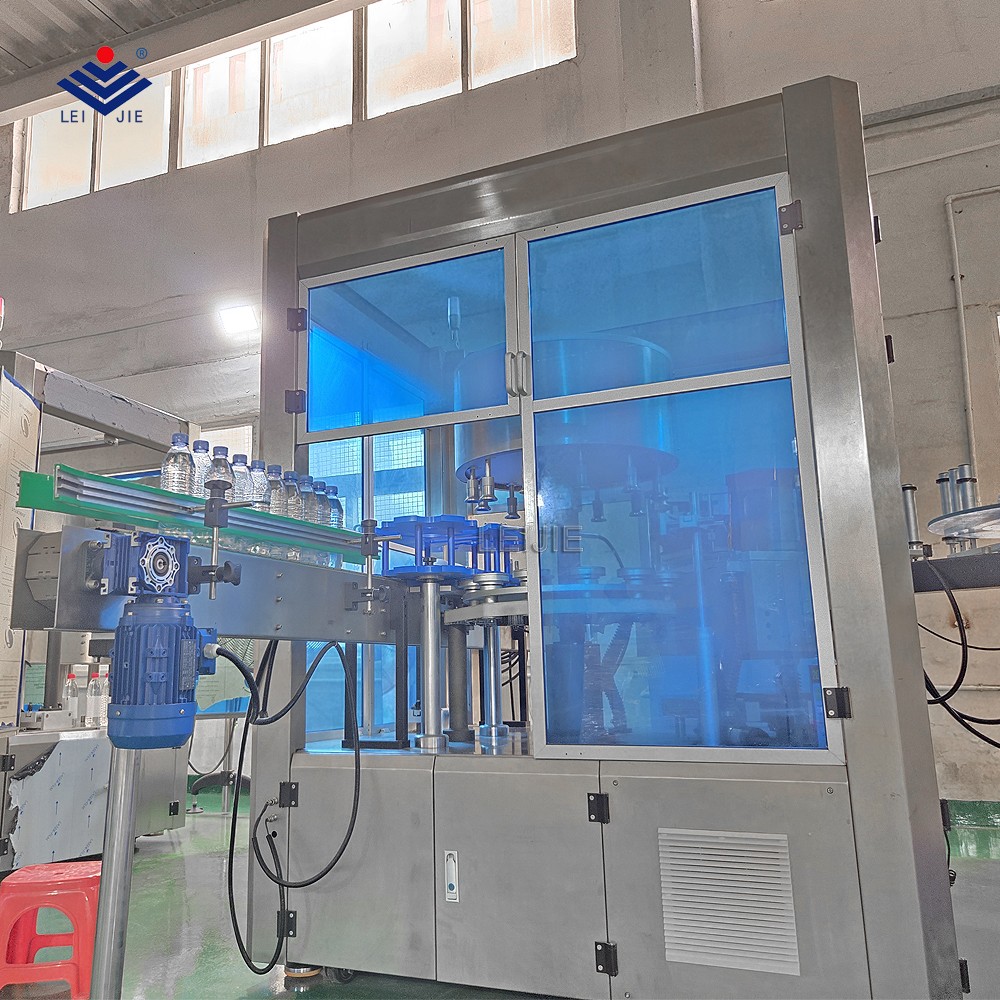
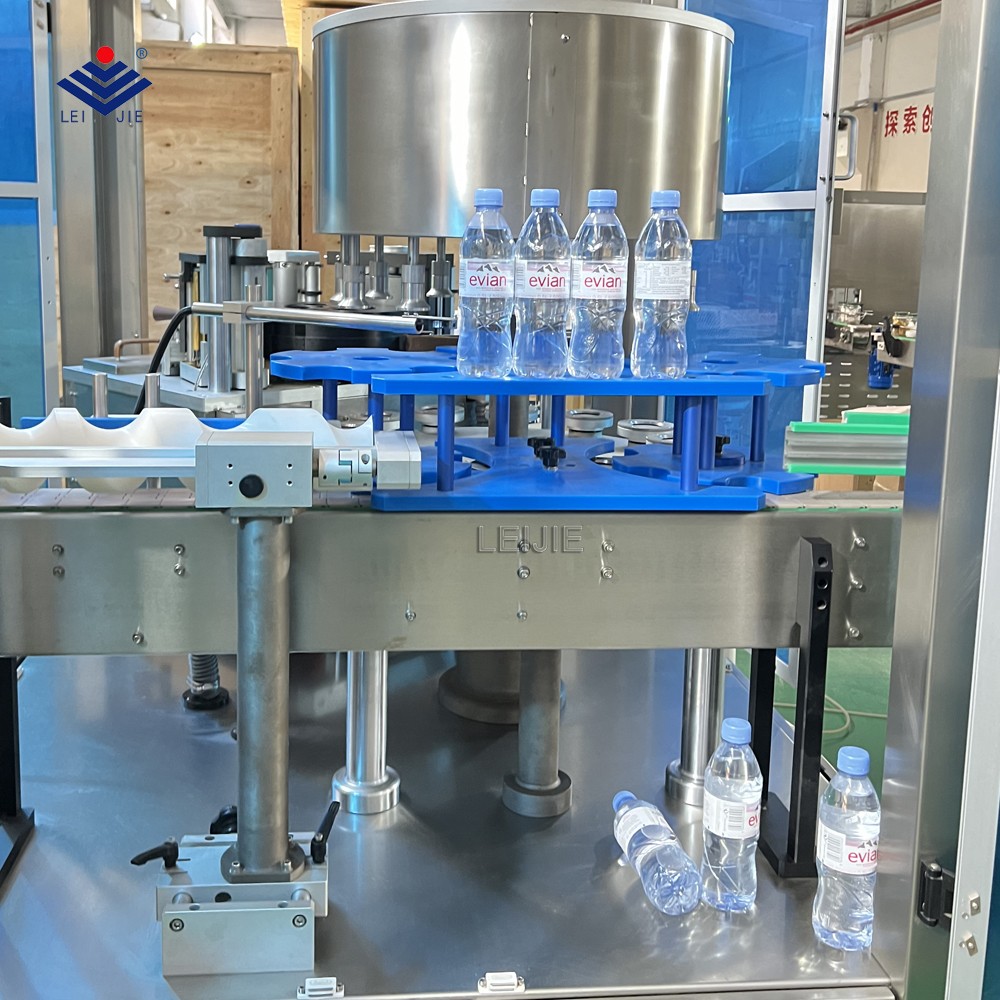
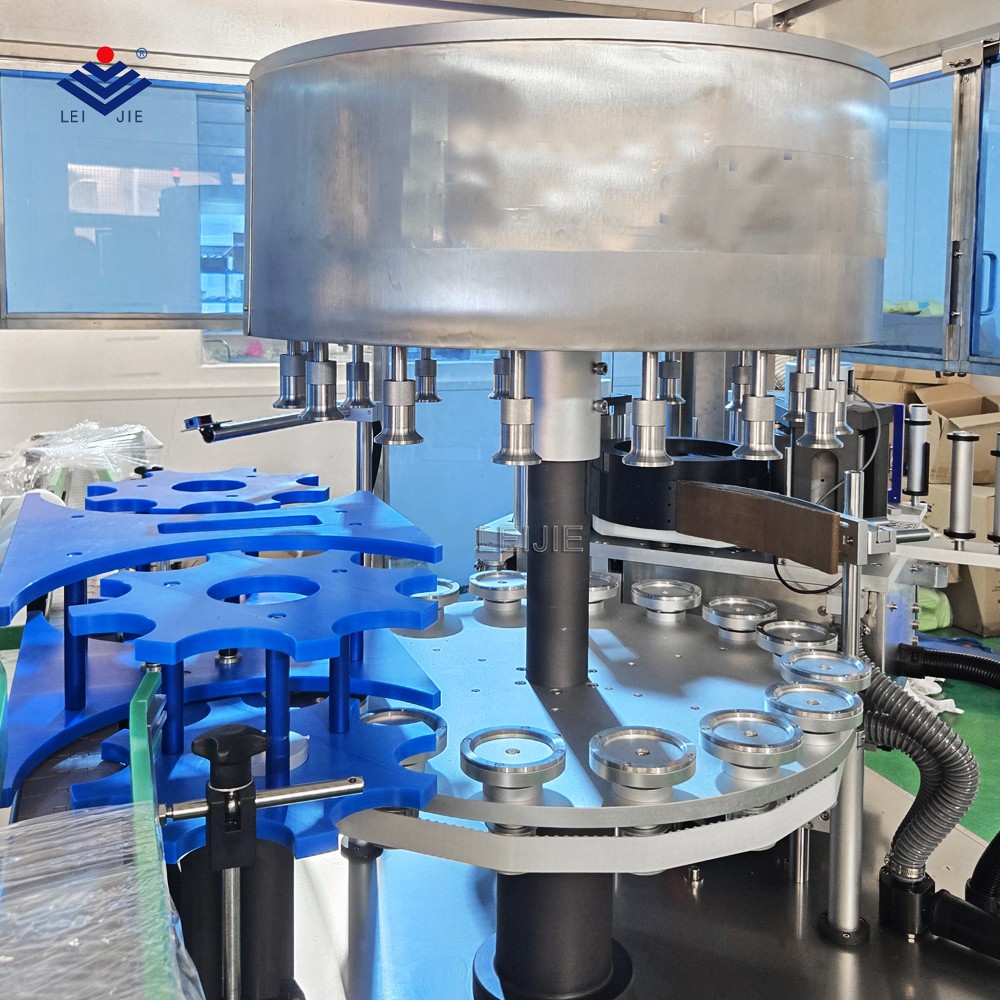
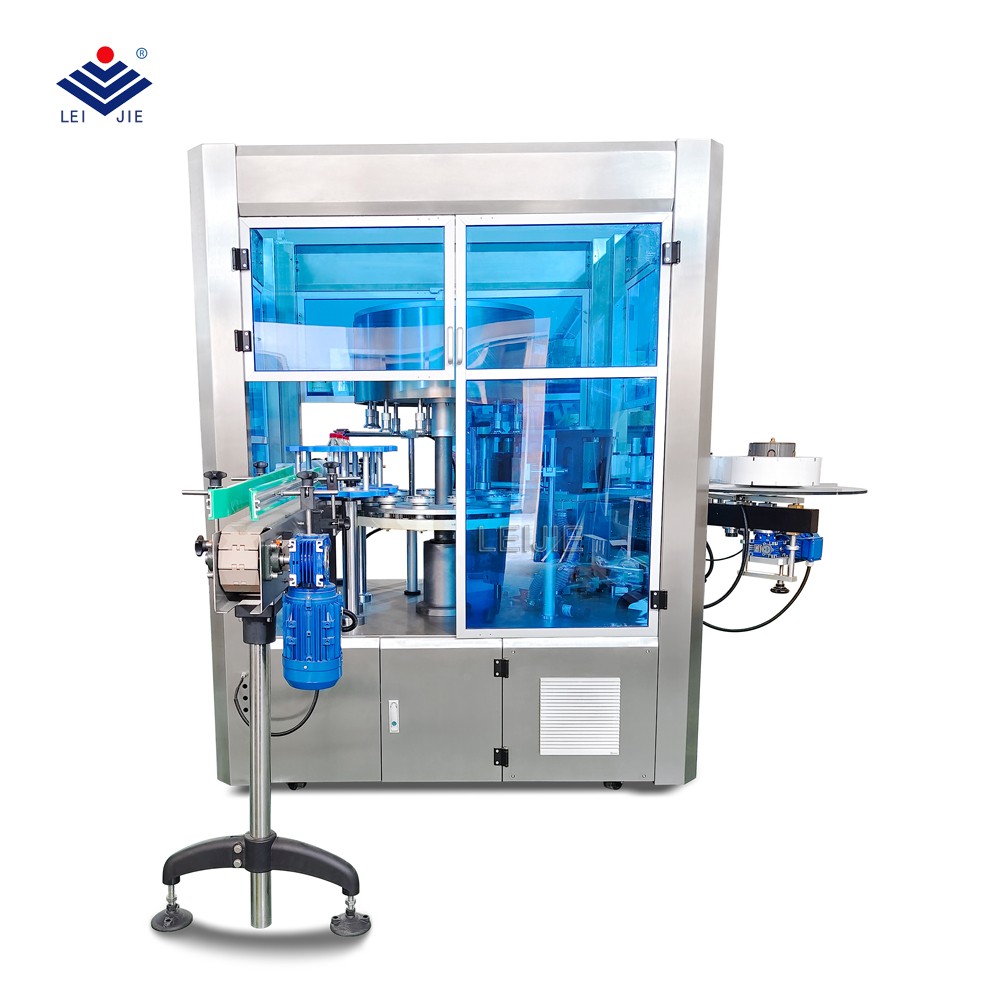
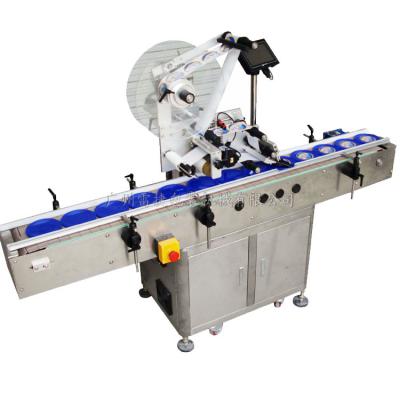
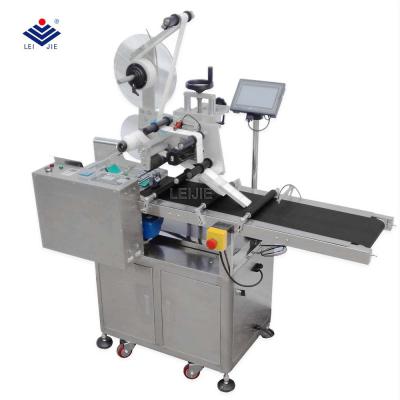
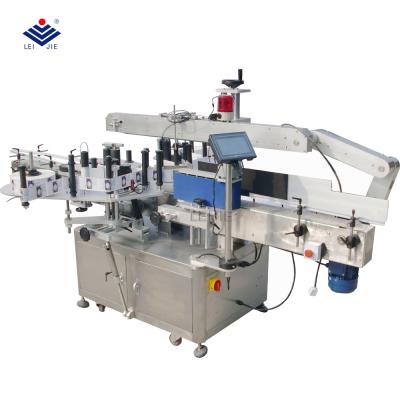
The high-speed hot-melt adhesive labeling machine is primarily used for applying labels to various types of bottles, such as those for beverages, daily chemical products, and pesticides. This machine is characterized by its high speed and high precision.
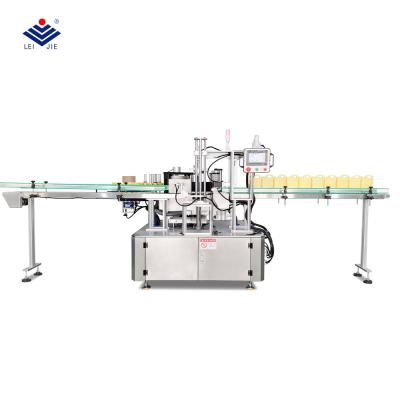
The hot-melt labeling machine is a high-speed, automated labeling system specifically designed for cylindrical containers such as PET bottles. It uses hot-melt adhesive to precisely apply roll-fed OPP (orientated polypropylene) film labels to the bottle surface. This equipment is widely used for wrap-around labeling of bottled products such as mineral water, purified water, beverages, dairy products, and cooking oil. It is an indispensable packaging component in large-scale beverage production lines, with an hourly output ranging from thousands to tens of thousands of bottles, making it the optimal choice for large-scale production.
1. Low Label Costs and Significant Economic Benefits
OPP film labels are used, resulting in material costs that are significantly lower than those of self-adhesive labels. The use of non-shrinkable label materials ensures that the design remains distortion-free after application, maintaining the aesthetic appeal of the product packaging. According to statistics, adopting a hot-melt adhesive labeling solution can reduce packaging costs by more than 30%.
2. Extremely high production efficiency and robust capacity
Rotary hot-melt labeling machines feature a multi-station synchronized operation design. Taking the mainstream 12- to 36-station configurations as an example, non-positioning labeling capacity can reach up to 18,000–42,000 bottles per hour. For large-scale mineral water production lines, this represents a speed level that other labeling methods struggle to match.
3. Extremely Economical Adhesive Usage, Eco-Friendly
The label is coated with adhesive only at the head and tail using a two-end coating technique, saving over 50% in adhesive compared to full-surface coating. Hot melt adhesive is inherently eco-friendly and non-toxic; it requires no solvents and produces no VOC emissions, meeting food packaging safety requirements.
4. Superior Labeling Quality and Attractive Appearance
Thanks to the non-shrink process, printed patterns on the labels remain distortion-free after application, ensuring the aesthetic appeal of the product packaging. Advanced hot-melt adhesive spraying technology ensures high-quality results, preventing label damage, wrinkling, air bubbles, curled edges, adhesive peeling, or adhesive overflow.
5. High Degree of Automation and Comprehensive Fault Detection
Equipped with PLC control systems from brands such as Siemens and Mitsubishi, along with photoelectric detection technology, the machine offers functions including no-bottle-no-labeling, automatic alignment, automatic correction, and label shortage alarms. The equipment features comprehensive abnormal alarm shutdown functions, including: label not applied, missed label, label running low, bottle feed abnormalities, bottle output abnormalities, and bottle jam detection.
6. Quick Changeovers and Strong Compatibility
Configuration parts for different bottle shapes and labels can be replaced within 10 minutes, and all adjustment mechanisms can be quickly adjusted without tools. The machine is compatible with various irregularly shaped containers, including round, square, oval, and flat bottles, and is suitable for bottle bodies made of multiple materials such as PET, PP, PE, glass, and metal.
7. Wide Adhesive Compatibility and Stable Operation
Through optimized design of the adhesive supply system and roller application mechanism, the equipment offers strong adaptability to hot melt adhesives and can apply adhesive accurately to both the leading and trailing edges of labels. The interlocking design includes safety protection mechanisms that automatically shut down the machine immediately upon detecting abnormal torque or bottle feeding issues.
8. Easy Maintenance and Rational Design
Some models are equipped with a centralized lubrication system, simplifying mechanical maintenance. The equipment extensively utilizes stainless steel and non-metallic materials, ensuring corrosion resistance and ease of cleaning. Electrical and pneumatic circuits are separated, and the pneumatic system is equipped with a purification device to prevent moisture in the air from corroding electrical components, thereby extending the equipment’s service life.
Power Supply: Three-phase 380V, 50 Hz
Power: 8000W
Labeling Machine Length: 3100mm (Conveyor belt length: 2990mm; adjustable to fit the actual dimensions of the customer’s production line)
Main Unit Dimensions: 1650mm (L) x 1350mm (W) x 2100mm (H)
Conveyor belt surface height: 1050 ± 30 mm (can be adjusted according to the actual dimensions of the customer’s production line)
Conveyor line speed: 30 m/min (conveyor line speed can be adjusted based on actual production conditions)
Speed adjustment method: Variable frequency drive (VFD)
Maximum label dispensing speed: 100 m/min
Maximum labeling speed: 12,000–15,000 units per hour (production speed can be adjusted based on actual conditions)
Label Dispensing Accuracy: ±1 mm
Labeling Accuracy: ±1 mm
Maximum Label Width (Height): 140 mm (standard width; width can be increased based on actual product dimensions)
Maximum Label Length: 430 mm
Maximum Label Outer Diameter: 600 mm
Core Diameter: 152 mm
Adhesive Type: Hot melt adhesive, applied only to both ends of the label
Adhesive Application Temperature: 120–160°C
Label Types: OPP film labels, paper-plastic composite film labels, paper labels
Labeling Stations: 12 stations per week for round bottle hot melt labeling machines;
Product Types: Round bottles (customizable based on product specifications);
Total Machine Weight: Approx. 2,000 kg
Hot-melt labeling machines are widely used for wrap-around labeling of various bottled products. Typical industries and products include:
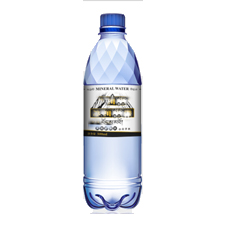
Drinking Water Industry: Full-circumference labeling of PET bottles such as mineral water bottles, purified water bottles, and natural water bottles
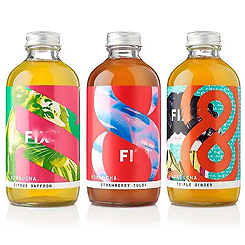
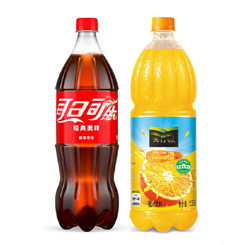
Beverage Industry: Juice bottles, carbonated beverage bottles, sports drink bottles, tea beverage bottles, and dairy beverage bottles
Alcohol Industry: Wrap-around labeling of glass bottles such as baijiu bottles, beer bottles, and health wine bottles
Edible Oil Industry: Edible oil bottles, blended oil bottles, olive oil bottles
Condiments Industry: Soy sauce bottles, vinegar bottles, oyster sauce bottles, and other condiment bottles
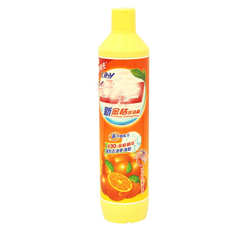
Personal Care Industry: Detergent bottles, cleaning agent bottles, fabric softener bottles, and other personal care product packaging
Pharmaceutical Industry: Syrup bottles, oral liquid bottles, and other pharmaceutical bottle packaging
Contact: Mr.Wang
Phone: 18676896076
Tel: 020-86330561
Email: gzleijie@126.com
Add: No. 61, Yongxing Commercial Street, Longgui, Baiyun District, Guangzhou City, Guangdong Province, China
 leijie
 leijie packing machine